
Medical coding vs other non-physician careers: weighing the options for a healthcare career.
Are you considering a career in the medical coding field but are unsure which path to take? Are you confused about taking a medical coding or some other non-physician career? Medical coding is a vital aspect of the healthcare industry, and there are several career options to choose from.
In this blog post, we’ll compare a career in medical coding to other medical jobs, explore the similarities and differences, and help you make an informed decision on the best path for you.
So, whether you’re a seasoned pro or just starting your journey, read on to discover which medical coding career path could be your perfect match!
What is medical coding?
Medical coding is the process of converting healthcare diagnoses, procedures, and medical services into universally recognized alphanumeric codes. These codes are used for billing and reimbursement purposes, medical research, and tracking healthcare trends. Medical coders use specialized coding systems, such as ICD-10-CM and CPT, to accurately translate medical information into these codes.
Medical coding is an essential component of the healthcare industry, ensuring that medical professionals are accurately reimbursed for their services, and that patient data is organized and accessible. Coders may work in a variety of healthcare settings, such as hospitals, clinics, and insurance companies.
Accuracy and attention to detail are critical skills for medical coders, as errors in coding can lead to denied claims, lost revenue, and potentially even harm to patients. To become a medical coder, one typically needs to complete a training program and obtain certification in medical coding.
Importance of medical coding in the healthcare industry
Medical coding has a very crucial role in the healthcare industry. The accurate and efficient coding of medical diagnoses, procedures, and services is essential for several reasons.
Firstly, medical coding is necessary for healthcare providers to receive reimbursement for the services they provide. Without proper coding, insurance companies may deny claims or delay payment, which can negatively impact a provider’s revenue and ability to deliver care.
Secondly, medical coding is used for medical research and healthcare trend analysis. The use of standardized coding systems allows researchers to analyze large sets of medical data, identify patterns, and develop insights into disease trends, treatment efficacy, and more.
Thirdly, medical coding is vital for patient care. Accurate coding ensures that patients receive the appropriate care they need and that their medical history and current conditions are correctly documented.
Overall, medical coding is essential to the efficient and effective operation of the healthcare industry. It enables providers to be reimbursed for their services, supports medical research and analysis, and improves patient care.
Career in Medical Coding

Job responsibilities of a medical coder
The job responsibilities of a medical coder include reviewing patient medical records and assigning appropriate codes to diagnoses, procedures, and services provided during their care. Coders must be knowledgeable about medical terminology, anatomy, and coding guidelines to ensure accurate coding.
They may also communicate with healthcare providers to clarify documentation or resolve coding discrepancies. Additionally, coders must maintain patient confidentiality, adhere to coding standards and regulations, and stay up-to-date with coding changes and updates. Medical coders are crucial to the healthcare industry, ensuring accurate billing, supporting medical research, and improving patient care through precise documentation.
Required skills and qualifications
To become a medical coder, one typically needs a high school diploma or equivalent, along with the completion of a formal training program in medical coding. Certification from a recognized professional organization, such as AAPC or AHIMA, is also usually required.
In terms of skills, a medical coder must have a strong knowledge of medical terminology, anatomy, and coding guidelines. They must possess excellent attention to detail, critical thinking, and problem-solving skills. Communication skills are also crucial, as coders may need to clarify documentation with healthcare providers.
Other essential skills include computer proficiency, time management, and adherence to coding regulations and standards. Medical coders play an essential role in the healthcare industry, and possessing these skills and qualifications are essential for success in the field.
Training and certification programs
To become a medical coder, one typically needs to complete a formal training program in medical coding. These programs can be completed online or in-person and are offered by vocational schools, community colleges, and universities. The length of training can vary but typically takes between six months to two years.
Once training is completed, coders may seek certification from a recognized professional organization, such as the American Academy of Professional Coders (AAPC) or the American Health Information Management Association (AHIMA). These certifications require passing a rigorous exam and ongoing continuing education to maintain certification.
Certification as a medical coder can improve job prospects and earning potential, and is often a requirement for employment in the field.
Salary and job outlook
According to the U.S. Bureau of Labor Statistics (BLS), the median annual salary for medical records and health information technicians, which includes medical coders, was $44,090 as of May 2020. However, salaries can vary based on factors such as location, experience, and employer.
The job outlook for medical coders is positive, with the BLS projecting a 8% employment growth rate from 2019 to 2029, faster than the average for all occupations. This growth is due in part to the aging population and increased demand for healthcare services, as well as the need for accurate and efficient medical coding to support these services. As such, medical coding is a stable and rewarding career choice for those interested in the healthcare industry.
Advantages and disadvantages of a career in medical coding
Advantages:
- Job stability: Medical coding is an essential part of the healthcare industry, and the demand for skilled coders is expected to grow in the coming years.
- Remote work options: Many medical coding jobs offer remote work options, allowing for greater flexibility in terms of work location and scheduling.
- Good earning potential: Medical coders with certification and experience can earn a competitive salary, and there are opportunities for advancement in the field.
- Variety of work settings: Medical coders can work in a variety of healthcare settings, including hospitals, clinics, and insurance companies, offering a range of career options.
Disadvantages:
- Monotonous work: The work of a medical coder can be repetitive, involving the same tasks and codes day after day.
- High attention to detail required: Accuracy is critical in medical coding, and the work can be tedious and require significant attention to detail.
- Sitting for long periods: Medical coders typically work at a desk for long periods, which can be challenging for some individuals.
- Continuous learning: The medical coding field is continually evolving, and coders must stay up-to-date with the latest coding guidelines and regulations.
Overall, a career in medical coding can be a stable and lucrative career option, but it is essential to consider the potential challenges and decide whether the work is a good fit.
Other Non-Physician careers in Healthcare

Overview of other non-physician jobs in healthcare
There are many non-physician jobs in healthcare, including nursing, radiologic technology, and medical assisting.
Nursing involves providing patient care and assisting with medical procedures under the direction of a physician. Nurses can work in a variety of settings, including hospitals, clinics, and long-term care facilities.
Radiologic technology involves using imaging equipment to help diagnose and treat medical conditions. Radiologic technologists can specialize in areas such as X-ray, CT scan, and MRI.
Medical assisting involves supporting physicians and other healthcare providers with patient care, administrative tasks, and basic medical procedures. Medical assistants can work in a variety of settings, including medical offices, clinics, and hospitals.
All of these non-physician healthcare jobs require specialized training and certification, but they offer rewarding career opportunities with the chance to make a difference in patients’ lives.
Required skills and qualifications
Nursing
To become a nurse, one typically needs a degree in nursing and a license to practice. Nurses must have strong critical thinking, communication, and problem-solving skills, as well as the ability to work well under pressure and in a team.
Radiologic Technology
To become a radiologic technologist, one typically needs an associate’s degree and certification. Radiologic technologists must have excellent technical skills, attention to detail, and the ability to work with patients who may be in pain or distress.
Medical Assisting
To become a medical assistant, one typically needs a certificate or diploma from a medical assisting program. Medical assistants must have strong organizational skills, attention to detail, and the ability to multitask. They must also be able to communicate effectively with patients and healthcare providers.
Training and certification programs
Nursing
To become a registered nurse, one typically needs a degree in nursing and must pass the NCLEX-RN exam. Nursing programs can range from 2 to 4 years in length and can be completed at community colleges or universities.
Radiologic Technology
To become a certified radiologic technologist, one typically needs an associate’s degree in radiologic technology and must pass a certification exam from the American Registry of Radiologic Technologists (ARRT).
Medical Assisting
To become a certified medical assistant, one typically needs to complete a medical assisting program accredited by the Commission on Accreditation of Allied Health Education Programs (CAAHEP) or the Accrediting Bureau of Health Education Schools (ABHES). Certification can be obtained through organizations such as the American Association of Medical Assistants (AAMA) or the National Healthcareer Association (NHA).
Salary and job outlook
Nursing
The median annual salary for registered nurses in the United States is around $75,000, with job growth projected to be around 7% from 2019-2029, faster than the average for all occupations.
Radiologic Technology
The median annual salary for radiologic technologists in the United States is around $62,000, with job growth projected to be around 7% from 2019-2029, also faster than the average for all occupations.
Medical Assisting
The median annual salary for medical assistants in the United States is around $35,000, with job growth projected to be around 19% from 2019-2029, much faster than the average for all occupations.
Advantages and disadvantages of each job
Nursing
One advantage of a career in nursing is the high demand for nurses, which leads to job security and competitive salaries. Nurses also have the opportunity to work in a variety of settings and specializations. However, nursing can be a physically and emotionally demanding job, requiring long hours on your feet and dealing with patients who may be in pain or distress.
Radiologic Technology
One advantage of a career in radiologic technology is the opportunity to work with advanced medical imaging technology and play a critical role in diagnosing and treating medical conditions. Radiologic technologists also typically enjoy competitive salaries and job security. However, the job can be physically demanding, requiring frequent lifting and positioning of patients, and exposure to radiation can pose health risks if proper safety measures are not followed.
Medical Assisting
One advantage of a career in medical assisting is the relatively short training period compared to other healthcare professions, allowing for a relatively quick entry into the field. Medical assistants also have the opportunity to work in a variety of healthcare settings. However, medical assistants typically earn lower salaries than other healthcare professions and may have limited opportunities for advancement without additional education or certification.
Overall, all of these non-physician healthcare jobs offer opportunities to make a positive impact on patients’ lives and contribute to the healthcare industry. Each profession has its own unique advantages and disadvantages, and it’s important for individuals to carefully consider their interests and skills before pursuing a career in any of these fields.
Comparison of Medical Coding and Other Non-Physician Jobs
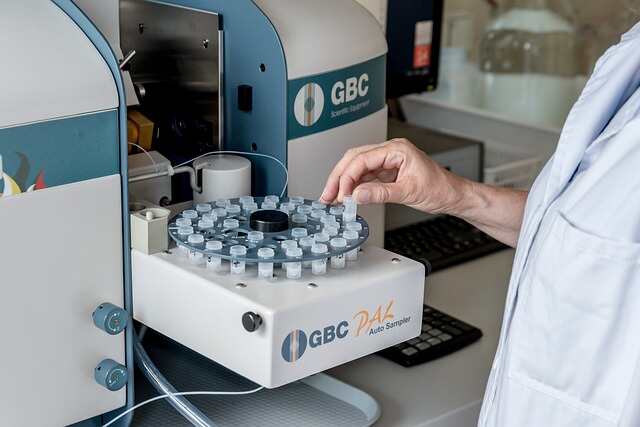
Pros and cons of a career in medical coding versus other non-physician jobs
Pros of a career in medical coding:
- High demand for medical coders, leads to job security and competitive salaries.
- Flexibility to work remotely or part-time.
- Opportunities for career advancement with additional education and certification.
- Minimal physical demands and low exposure to contagious diseases.
Cons of a career in medical coding:
- Limited patient interaction, as most work is done with medical records and billing systems.
- Requires extensive knowledge of medical terminology, coding systems, and regulations.
- Can be tedious and repetitive work.
- May require ongoing education to stay up-to-date with changes in the field.
Pros of other non-physician jobs:
- Opportunities for direct patient interaction and hands-on care.
- Potential for personal fulfillment in helping patients and making a positive impact on their lives.
- Opportunities for career advancement with additional education and experience.
- Variety of settings and specializations to work in.
Cons of other non-physician jobs:
- Physically demanding work and exposure to contagious diseases.
- Higher stress levels due to the nature of the work.
- Longer education and training periods compared to medical coding.
- Limited flexibility in work schedules and remote work options.
Overall, both medical coding and other non-physician jobs in healthcare have their own unique advantages and disadvantages, and individuals should carefully consider their interests, skills, and personal preferences before pursuing a career in either field.
Factors to consider when choosing a career path in healthcare
Choosing a career path in healthcare is an important decision that requires careful consideration. Some factors to consider when making this decision include:
Personal interests and skills
Consider your interests, skills, and personality traits to find a career that is a good fit for you. For example, if you enjoy helping people and have strong communication skills, a career in nursing may be a good fit.
Education and training
Look into the education and training requirements for different healthcare careers and consider the time and cost involved in pursuing those paths.
Job outlook
Research the job outlook for different healthcare careers to ensure there will be demand for the job in the future.
Salary and benefits
Consider the earning potential and benefits of different healthcare careers to ensure you will be financially stable in your chosen profession.
Work environment
Consider the work environment and the physical demands of different healthcare careers to ensure you are comfortable with the working conditions.
Career advancement opportunities
Look into the potential for career advancement and opportunities for continuing education and professional development.
By considering these factors, individuals can make an informed decision about their career path in healthcare and find a profession that is both fulfilling and financially sustainable.
Final thoughts
A career in medical coding offers a stable and lucrative career path with opportunities for career advancement and flexibility. However, it is important to consider the limited patient interaction and the need for extensive knowledge of medical terminology, coding systems, and regulations.
Other non-physician jobs in healthcare, such as nursing and radiologic technology, offer direct patient care and personal fulfillment but require longer education and training periods and may have higher stress levels. Ultimately, individuals should carefully consider their interests, skills, and personal preferences when choosing a career path in healthcare, and weigh the pros and cons of each option to find the best fit for their goals and lifestyle.
You may also like to read
Demystifying CPT Codes: A Comprehensive Guide
The Ultimate Guide to Understanding Medical Coding Terminology

You may also like

ICD 10 Coding Guidelines: A Comprehensive Guide